Key Takeaways
- Functional fitness uses movements that mirror the things you already do each day
- 5 simple exercises can support strength, balance, and range of motion
- Body weight, water bottles, and a sturdy chair are enough to begin at home
- 2 short sessions a week, plus daily walking, make a strong starting point
- Chair-based options and group classes keep movement approachable and social
Movement That Makes Everyday Life Easier
Maybe you push off the armrests to stand up from your favorite chair. Maybe the top shelf feels a little farther away than it used to, or the walk from the car with 2 bags of groceries takes more out of you.
October 28th marks National Senior Health and Fitness Day, a fitting moment to notice these small signals. Functional fitness trains the movements you already use every day, so squatting, stepping, reaching, and carrying feel steadier and easier over time.
It’s the kind of strength National Senior Health and Fitness Day was created to celebrate. The goal isn’t a personal record. It’s a smoother morning and a fuller afternoon.
What Functional Fitness Means for Daily Life
Functional fitness is built around real tasks. Instead of isolating one muscle at a time, these exercises copy the shapes your body makes when you get out of bed, climb a curb, or twist to reach the seat belt.
Most functional moves fall into a handful of patterns:
- Squats, like lowering into a chair
- Lifts, like picking up a laundry basket
- Reaches, like putting away a plate
- Twists, like turning to look behind you
- Steps, like managing stairs or curbs
Because each of these works several muscle groups together, you can get more out of a short session.
Why It Matters as You Age
Strength, balance, and range of motion support how you move through your day while helping to reduce the risk of falls and injuries. When you maintain them, you protect your independence and keep your options open.
That might mean gardening on a warm morning, walking a farmers market with a friend, or carrying your own bag on a trip to see the grandkids. Functional fitness helps you hold onto the activities you’d hate to give up.
5 Functional Exercises to Try
Start with whichever of these feels most useful to you. You don’t need all 5 on day one.
- Sit-to-stand squat: Rise from a chair without pushing off with your hands, then lower back down slowly.
- Step-up: Step onto a low, stable step and back down, alternating legs. This translates directly to stairs and curbs.
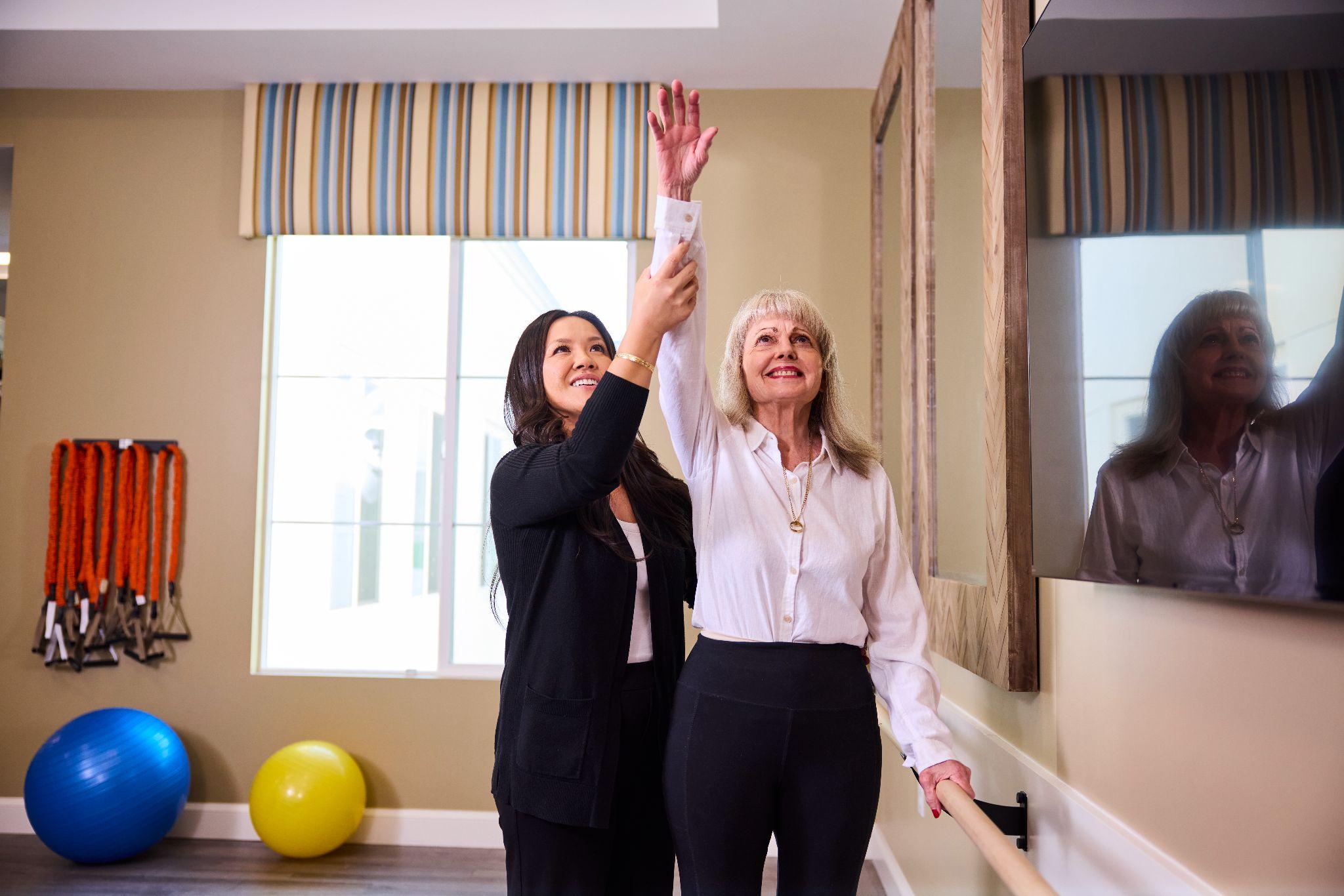
- Overhead press: Press light weights or water bottles straight up, the same motion you use for a high shelf.
- Farmer’s walk: Hold a weight in each hand and walk with control, like carrying groceries from the car.
- Single-leg balance hold: Stand on one foot for a few seconds at a time to build balance and steady footing.
Simple Form Tips
Keep a chair or kitchen counter within arm’s reach, especially for step-ups and balance holds. Knowing support is right there lets you focus on the movement instead of the wobble.
Move slowly. Controlled reps do more for you than fast ones, and they give your body time to find its footing.
Your muscles should feel challenged, warm, maybe a little tired. They shouldn’t feel painful. If something hurts, back off and try a smaller range of motion.
How to Start Without Fancy Equipment
Your own body weight is enough for sit-to-stands, step-ups, and balance work. Nothing to buy, nothing to set up.
When you’re ready to add resistance, look around the house first for convenient substitutes:
- Water bottles or soup cans for overhead presses
- Light hand weights if you have them
- Resistance bands for pulls and presses
- A sturdy, armless chair for squats and balance support
How Often to Move Each Week
Start small with 2 sessions a week and build gradually with practical goals. 10 or 15 minutes counts, and it adds up faster than you’d expect.
Daily walking can pair beautifully with strength work. A loop around the neighborhood after breakfast keeps things easy and repeatable. As the movements start to feel lighter, add a few reps or one more round, and that slow build is where the progress lives.
Ways to Match Exercises to Your Goals
Pick the moves that feel hardest right now. If standing up from the couch takes effort, sit-to-stands deserve your attention. If stairs give you pause, prioritize step-ups.
On lower-energy days, chair-based versions help keep the habit alive. Seated presses, seated marches, and gentle twists still count. Group classes add something a solo routine can’t. Working towards your goals alongside others tends to keep people coming back.
Fitness and Wellness in Senior Living
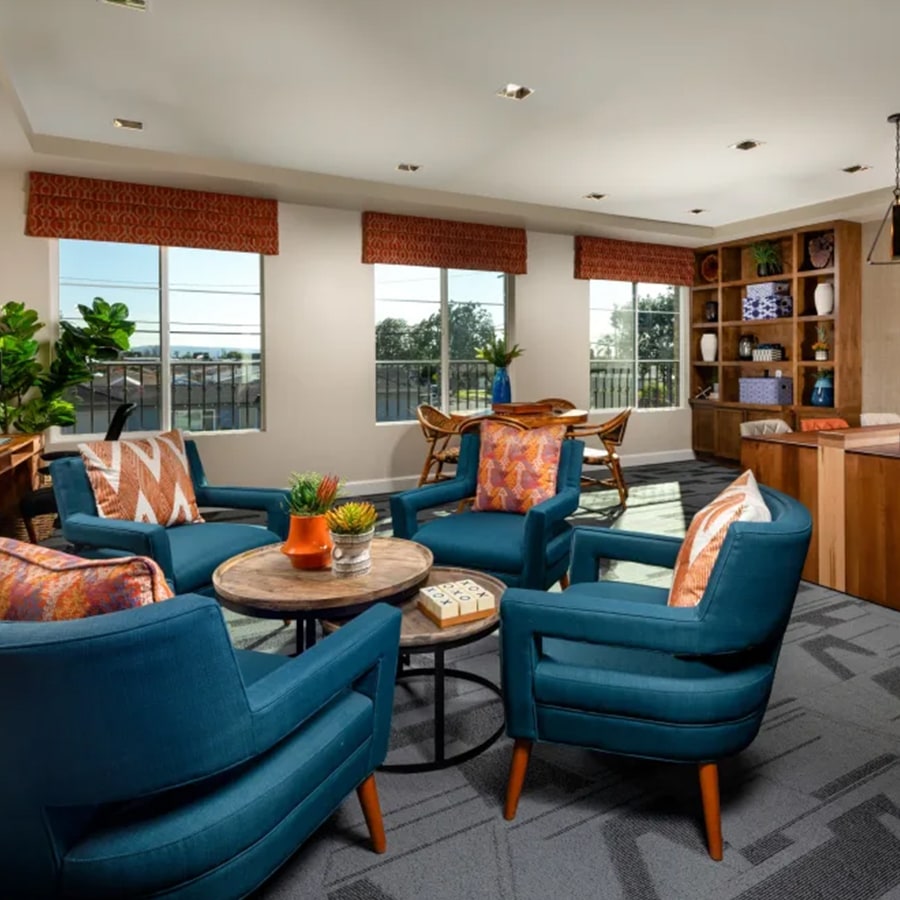
Wellness programs are seamlessly woven into daily life across assisted living and memory care, so movement feels like part of the day rather than an appointment.
Team members learn what you enjoy and shape activities around it. Social movement classes, walking paths, and open invitations to join in help make it easy to stay active without going it alone.
Small Moves, Fuller Days
Sit-to-stands, step-ups, overhead presses, farmer’s walks, and single-leg holds cover the movements your day asks for. Consistency matters far more than intensity, so a short session you actually repeat beats an ambitious one you skip.
At Clearwater Living, we support whole-person wellness, blending comfortable movement with joyful connections every day. Reach out today to discover the fitness and lifestyle options waiting for you.